Cloth lengths and tailoring tools laid out at the Gulati atelier in Bangkok

Cost and value

The True Cost of a Bespoke Suit in Bangkok

Two suits quoted at very different prices can look identical on a hanger and behave nothing alike after a year of wear. The difference sits in the cloth, the construction and the hours, and all three are visible once you know where to look. This page explains what you are paying for rather than quoting a headline figure.

Where the cost begins: the cloth

Largest variable
The cloth — mill, weight, composition and how much is required for your frame
Second variable
Construction — full canvas and hand work against fused and machine finishing
Included
Pattern drafting, fittings and post-delivery adjustment

The details

Considered guidance, from the first conversation to the final fit.

01

Cloth: the single biggest line

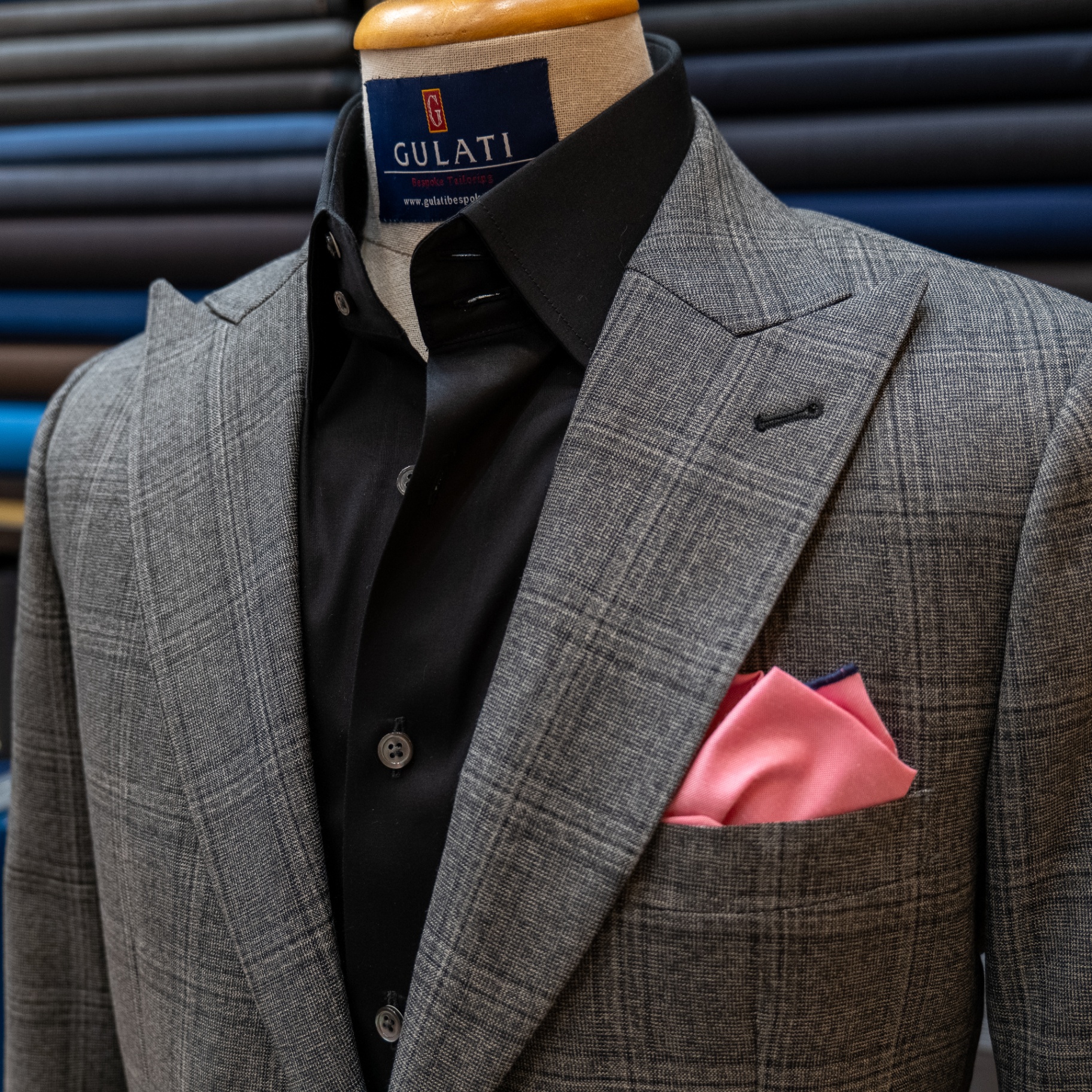
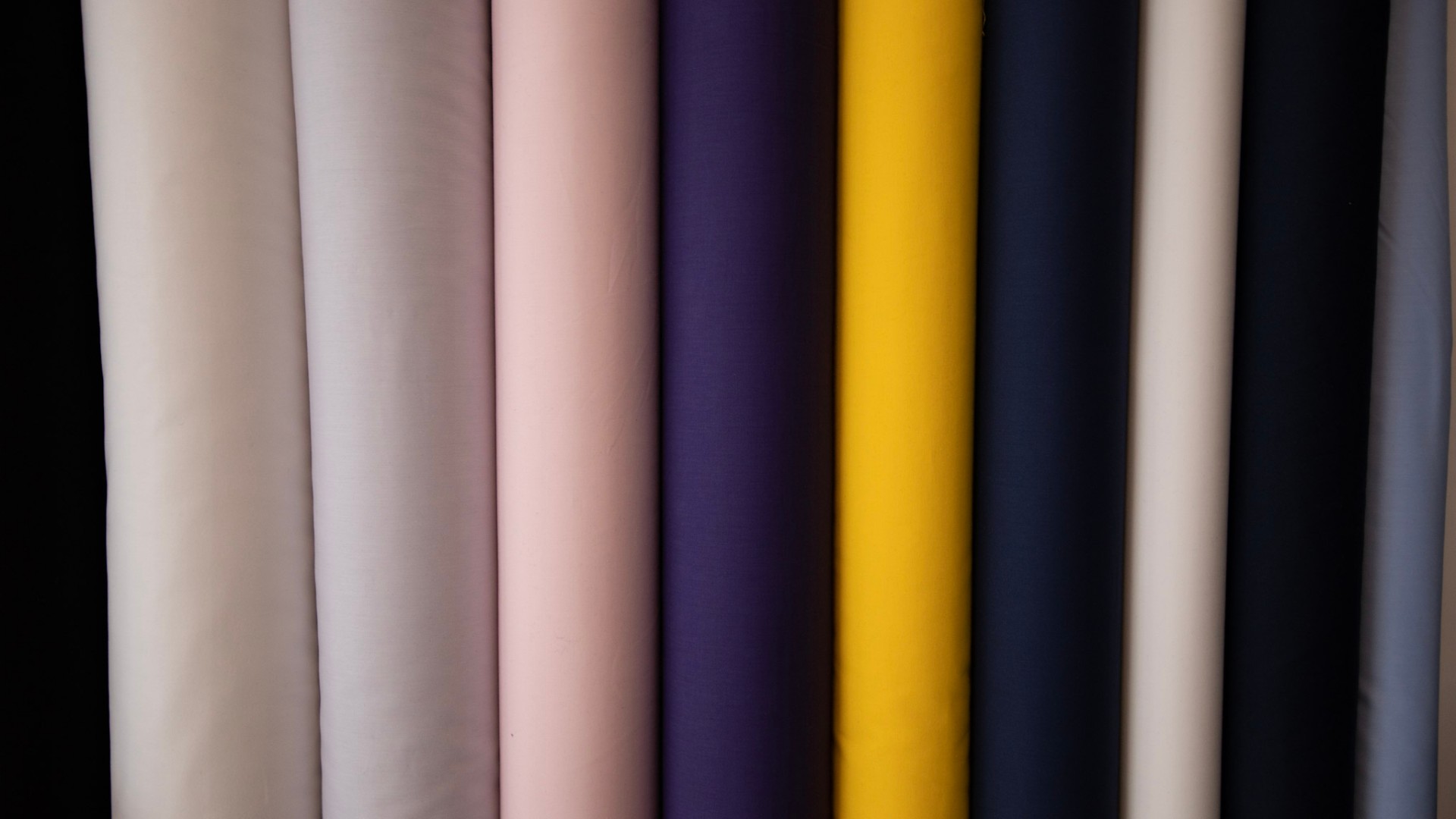
Cloth is usually the largest component of a commission and the one you control most directly. A dependable Vitale Barberis Canonico worsted and a Loro Piana or Dormeuil super-fine sit at very different points, and the gap is real rather than branding. Finer yarns, longer staple wool and more careful finishing produce cloth that drapes better and recovers from creasing, but they also ask for more care in wear.

  • Mill and bunch reference determine the base cost
  • Weight and weave affect both price and how the cloth behaves in heat
  • Cashmere, silk and mohair blends carry a premium
  • A larger or longer frame requires more metres
02

Construction: canvas, fusing and hand hours

A full-canvassed jacket takes considerably more labour than a fused one, because the canvas must be shaped, padded and attached by hand so it moulds to the chest. Half canvas sits between the two. Hand-padded lapels, a hand-set collar, hand-finished buttonholes and pick stitching each add hours, and hours are what a workroom actually sells.

03

Pattern and fittings are part of the price

Drafting an individual pattern, cutting a basted garment, taking it apart after the intermediate fitting and re-cutting is work that a made-to-measure order simply does not include. It is also the reason a bespoke garment fits a sloped shoulder or a fuller seat properly. The pattern is kept, so later commissions cost less in time even when the cloth costs the same.

  • Individual pattern drafted and retained
  • Intermediate fitting with a partly assembled garment
  • Re-cutting after the fitting where needed
  • Adjustment after delivery as the garment settles
04

Bangkok against Savile Row

Commissioning the same Italian or British cloth in Bangkok is meaningfully less expensive than in London, because labour rather than cloth carries the difference. The mill charges what the mill charges wherever you are. What varies between cities, and between shops within this city, is the number of skilled hours put into the garment, which is why comparing only on price tells you very little.

05

Why very cheap suits are expensive

A fused jacket bought quickly will often bubble at the lapel after a few cleanings, lose its chest shape and cannot be let out because the seam allowance was never left there. The suit is then unwearable rather than repairable. A well-constructed garment can be altered through changes in weight and pressed back into shape for many years, which is the honest measure of cost per wear.

06

Getting a firm figure for your commission

A reliable quotation needs three things: the garment you want, the cloth reference you choose, and the finishing details you prefer. Once those are set, the price is fixed before any cutting begins, with no additions during the process. Tell us your budget at the first conversation and we will show you the cloth that works within it rather than around it.

From the gallery

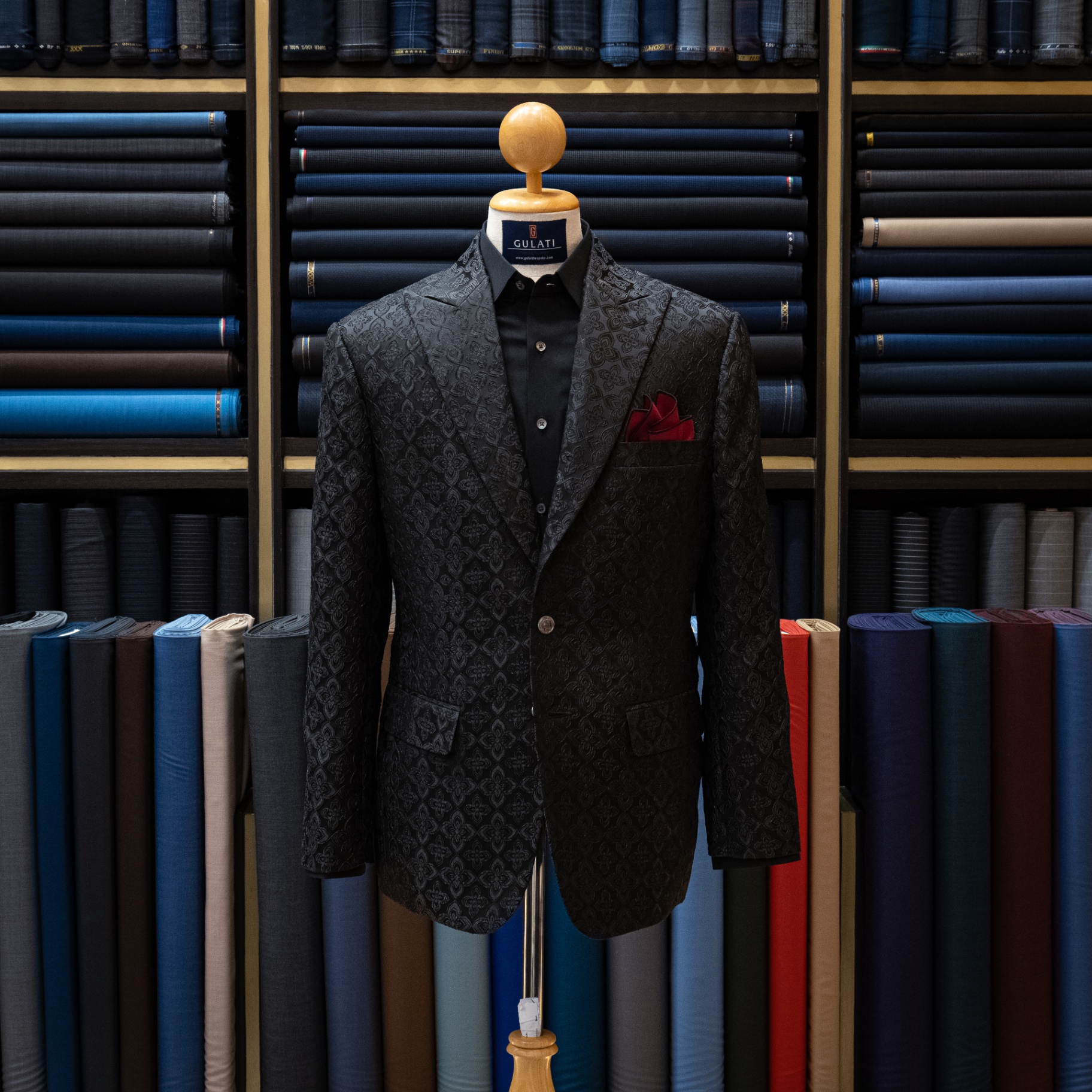
Shirting and suiting cloth arranged by colour at the atelier
01Cloth, by mill and weight
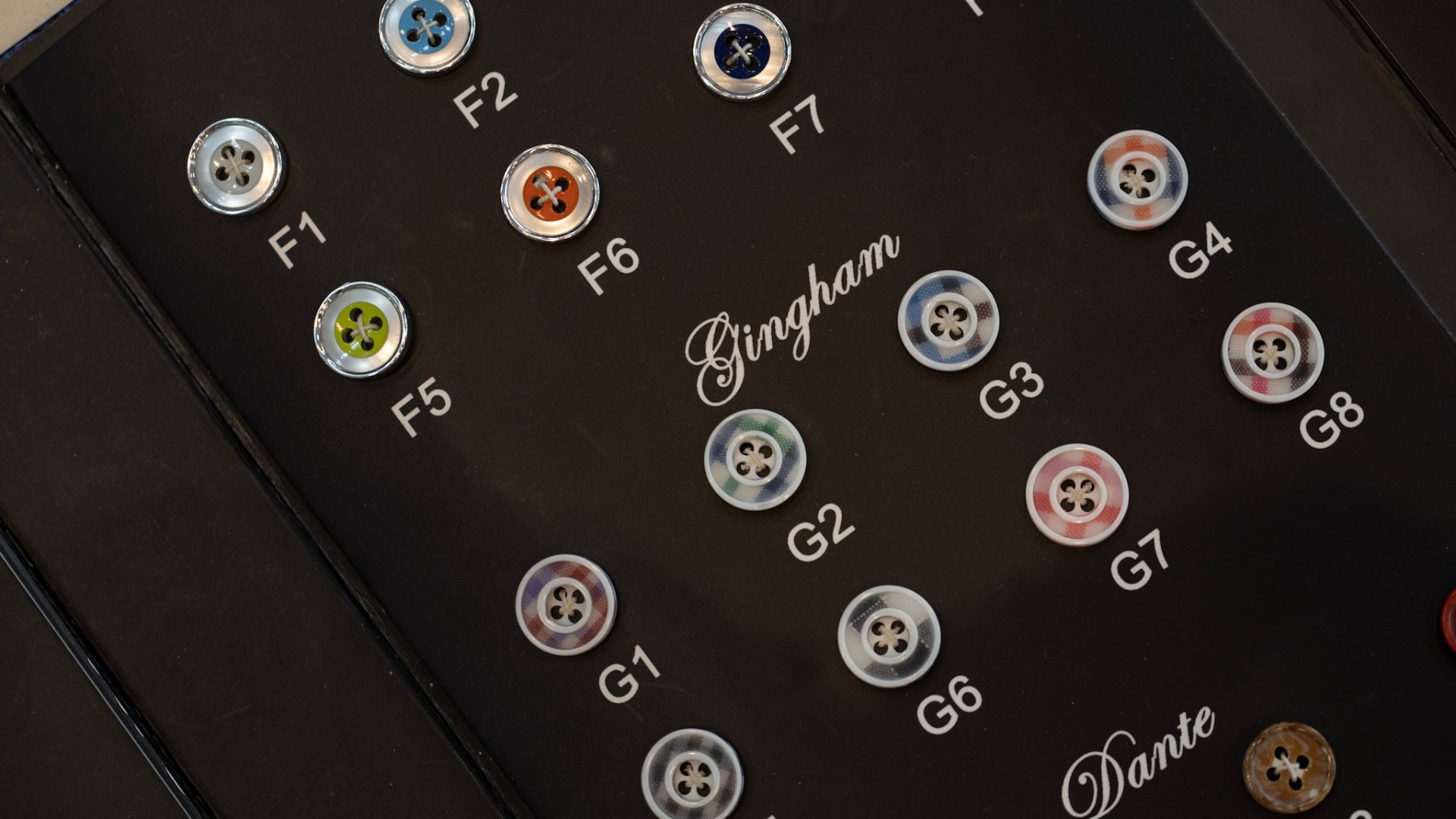
Horn and patterned buttons from the Gulati button library
02Finishing details
Hand stitching along a jacket edge in the workroom
03Hours, stitched in
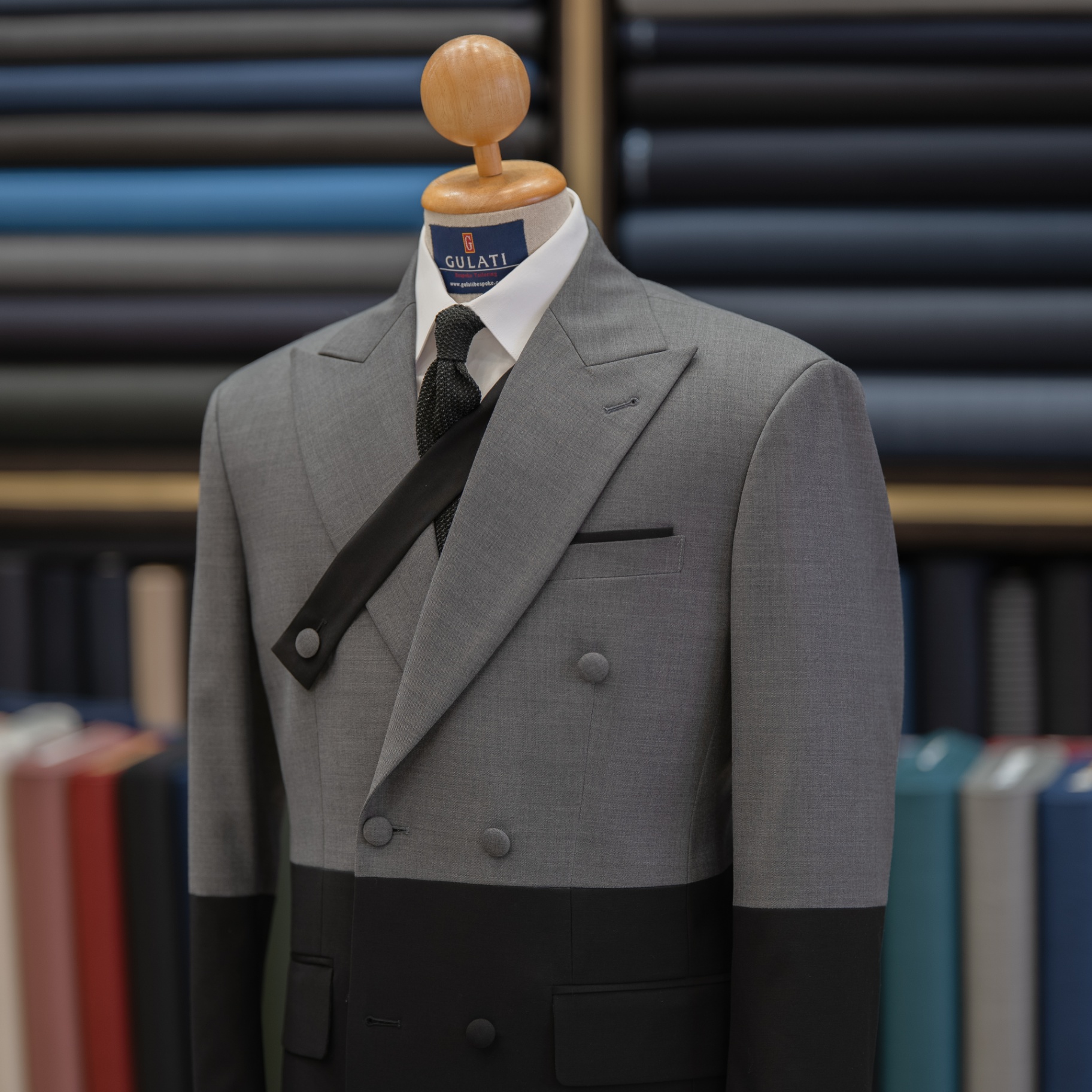
Completed bespoke suits ready for collection
04Cost per wear, years later

Continue with Gulati

Set the budget first, then choose the cloth that fits inside it.

Tell us the garment and the occasion, and we will show you the honest range before anything is cut.