Open-weave summer suiting cloth shown against the light at the atelier

Cloth for the heat

Bespoke Linen and High-Twist Wool for Hot Climates

Tailoring fails in humidity for reasons that have little to do with how heavy the cloth feels in the hand. Weave openness, yarn twist, lining coverage and how much structure sits inside the chest matter more than weight alone. This is how we build garments that stay comfortable and presentable through a Bangkok afternoon.

Open weaves, held to the light

Best all-round
High-twist wool in the 240 to 280 gram range, crease-resistant and breathable
Most relaxed
Linen and linen blends, cool and deliberately informal in their creasing
Construction
Half or quarter lining, lighter canvas, softer shoulder

The details

Considered guidance, from the first conversation to the final fit.

01

High-twist wool, the quiet workhorse

Tightly twisted yarns woven with space between them let air pass while springing back from creases. Fresco-type cloths and their modern equivalents look formal enough for a boardroom, survive a taxi journey without folding flat, and recover overnight on a hanger. For anyone who needs a suit to still look like a suit at five in the afternoon, this is the first recommendation.

  • 240 to 280 grams for daily wear in humidity
  • Open, porous weave rather than a smooth dense finish
  • Excellent crease recovery between wears
  • Reads formal, unlike most summer cloths
02

Linen and linen blends

Linen conducts heat away from the body better than almost anything else and dries quickly, which is why it has survived every attempt to improve on it. It also creases, and pretending otherwise leads to disappointment. Worn with that understood, it is the most comfortable cloth available for weekends, resorts and daytime weddings. Wool-linen and silk-linen blends soften the creasing while keeping most of the coolness.

03

Cotton, mohair and seersucker

Cotton gabardine and chino cloths make excellent unstructured jackets and separate trousers. Mohair blends add lustre and resilience for evening events where the room is warm and the dress code is not relaxed. Seersucker, worn with confidence, holds itself off the skin by design and remains one of the genuinely intelligent warm-weather weaves.

  • Cotton for informal jackets and separate trousers
  • Mohair blends for warm-room evening wear
  • Seersucker and puckered weaves for daytime
  • Silk blends where lustre matters more than durability
04

Construction decides as much as cloth

A light cloth built with a full lining and heavy canvas will still feel hot. We reduce the layers instead: half or quarter lining, a lighter chest canvas, a softer shoulder with less padding, and where suitable an unlined jacket finished cleanly enough to be worn open. The garment keeps its shape while holding far less heat against the body.

05

Colour, pattern and practicality

Mid and light tones reflect more heat and suit the light here, but they also show perspiration more readily than a textured mid-grey or a subtle pattern. Texture is the useful compromise: a birdseye, nailhead or open plain weave disguises far more than a flat solid, while staying appropriate for business.

  • Textured weaves over flat solids
  • Mid-grey, stone, taupe and soft navy for daily wear
  • Two pairs of trousers to extend the life of a summer suit
  • Hang and air between wears rather than dry-clean often
06

Caring for warm-weather tailoring

Air a garment overnight on a broad hanger before returning it to the wardrobe, and let creases fall out rather than pressing them immediately. Dry-clean sparingly, since the process is harder on light cloth than most people expect. Brushing and steaming will handle the majority of what a humid city puts on a jacket.

From the gallery

Linen and lightweight suiting cloths stacked at the atelier
01Linen and blends
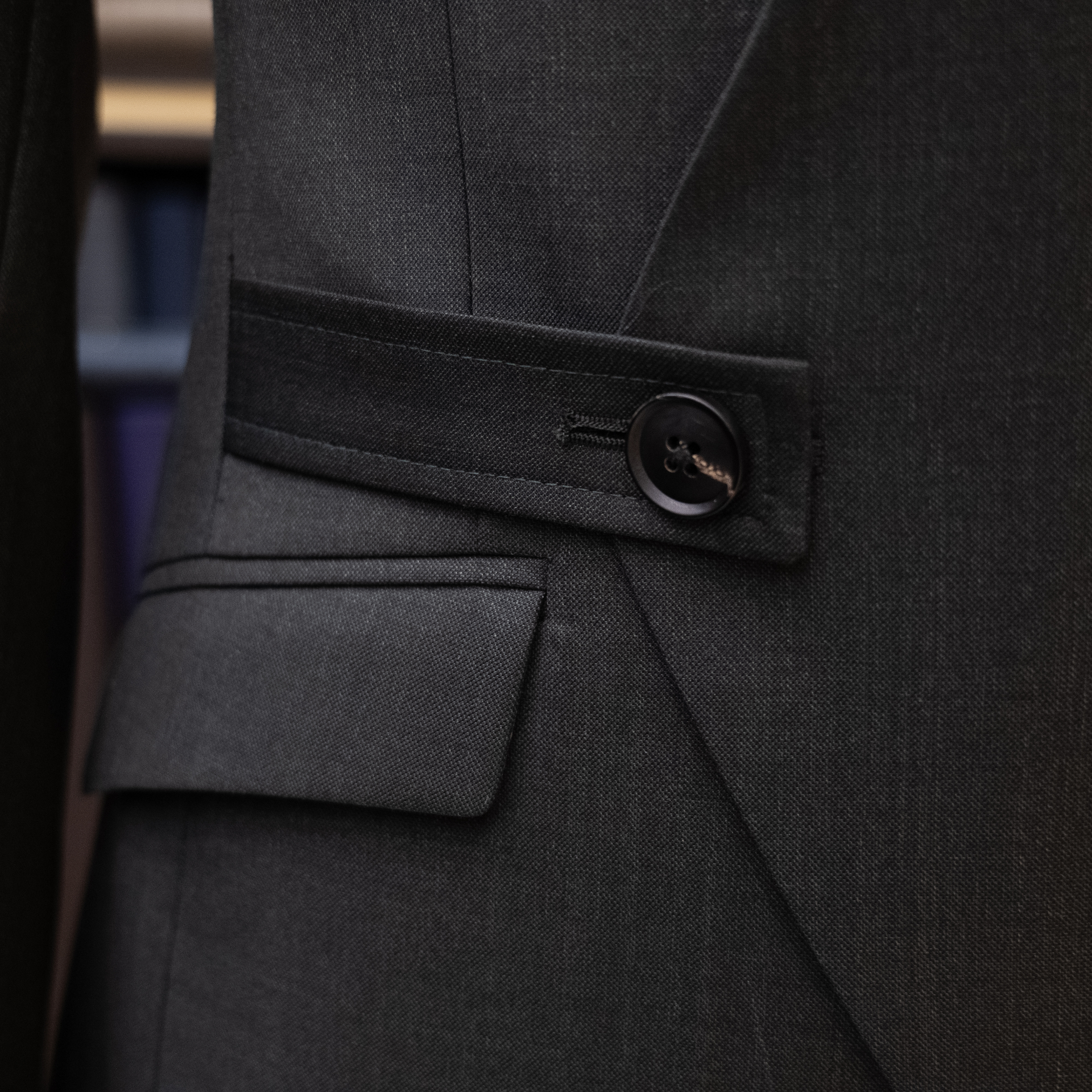
Half-lined jacket interior showing reduced construction
02Fewer layers inside
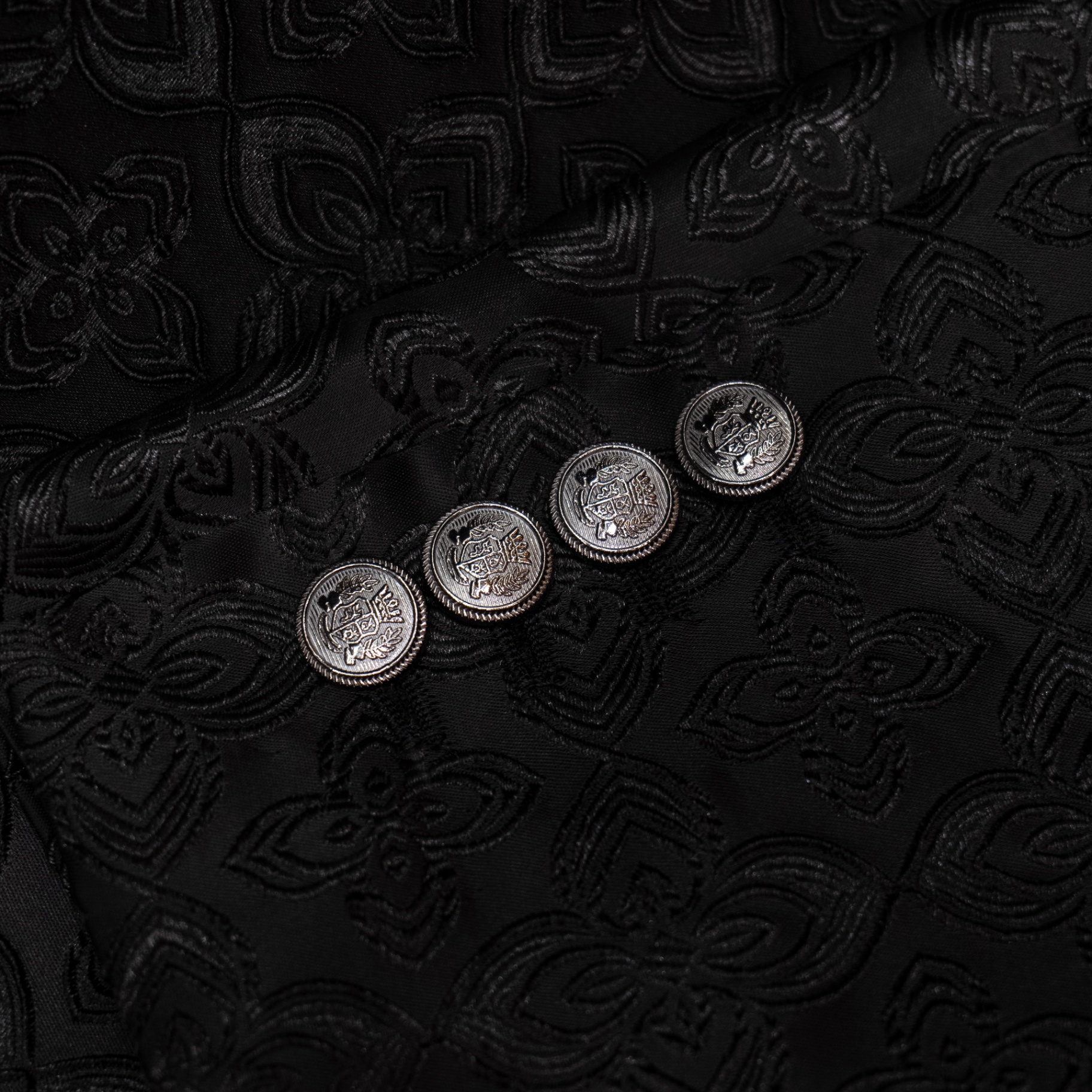
Textured summer weave in a mid tone
03Texture over flat colour
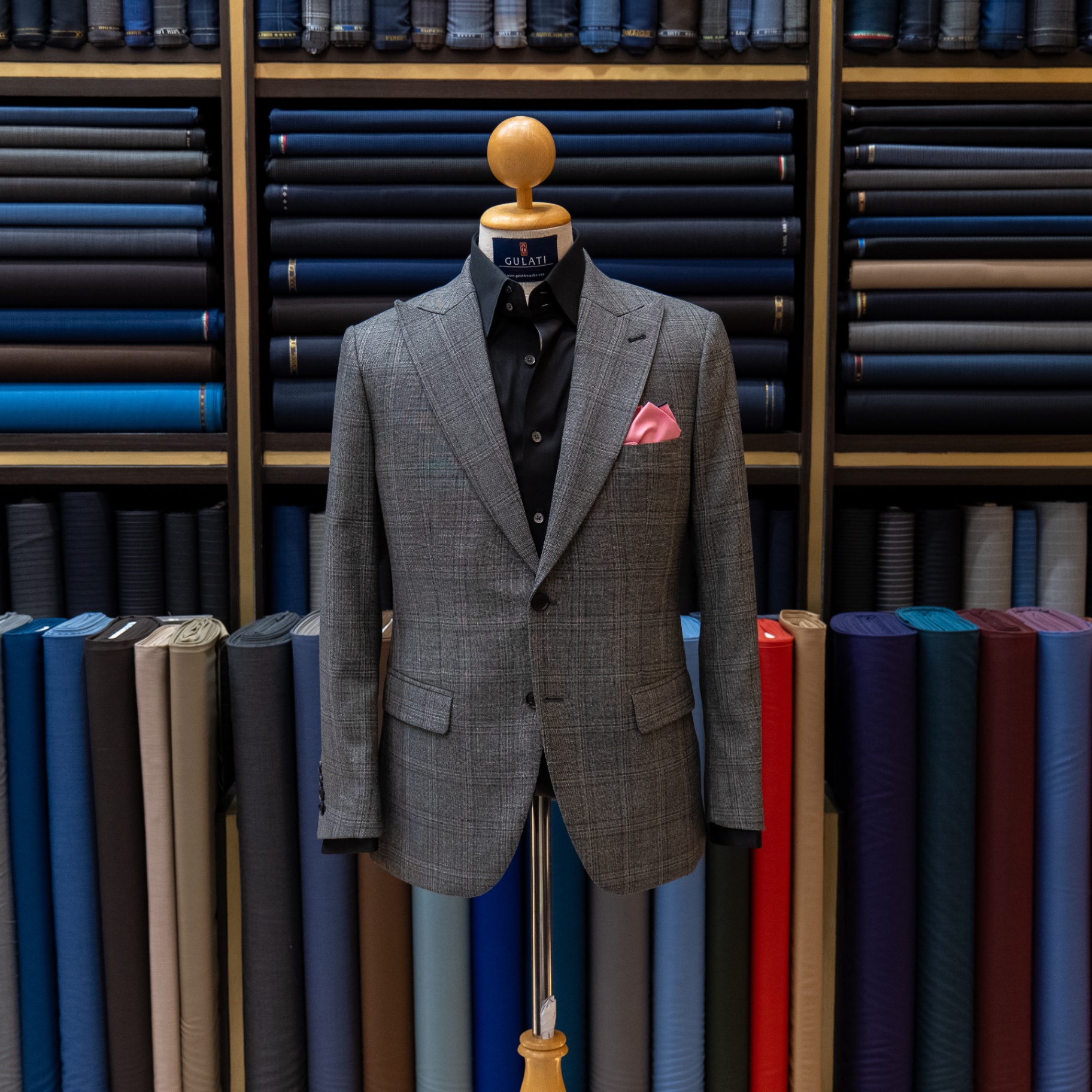
Lightweight tailored jacket worn open in warm weather
04Built for the afternoon

Continue with Gulati

Choose the cloth for the climate, then let the construction do the rest.

Bring your week as it actually looks — commute, meetings, evenings — and we will match cloth and construction to it.