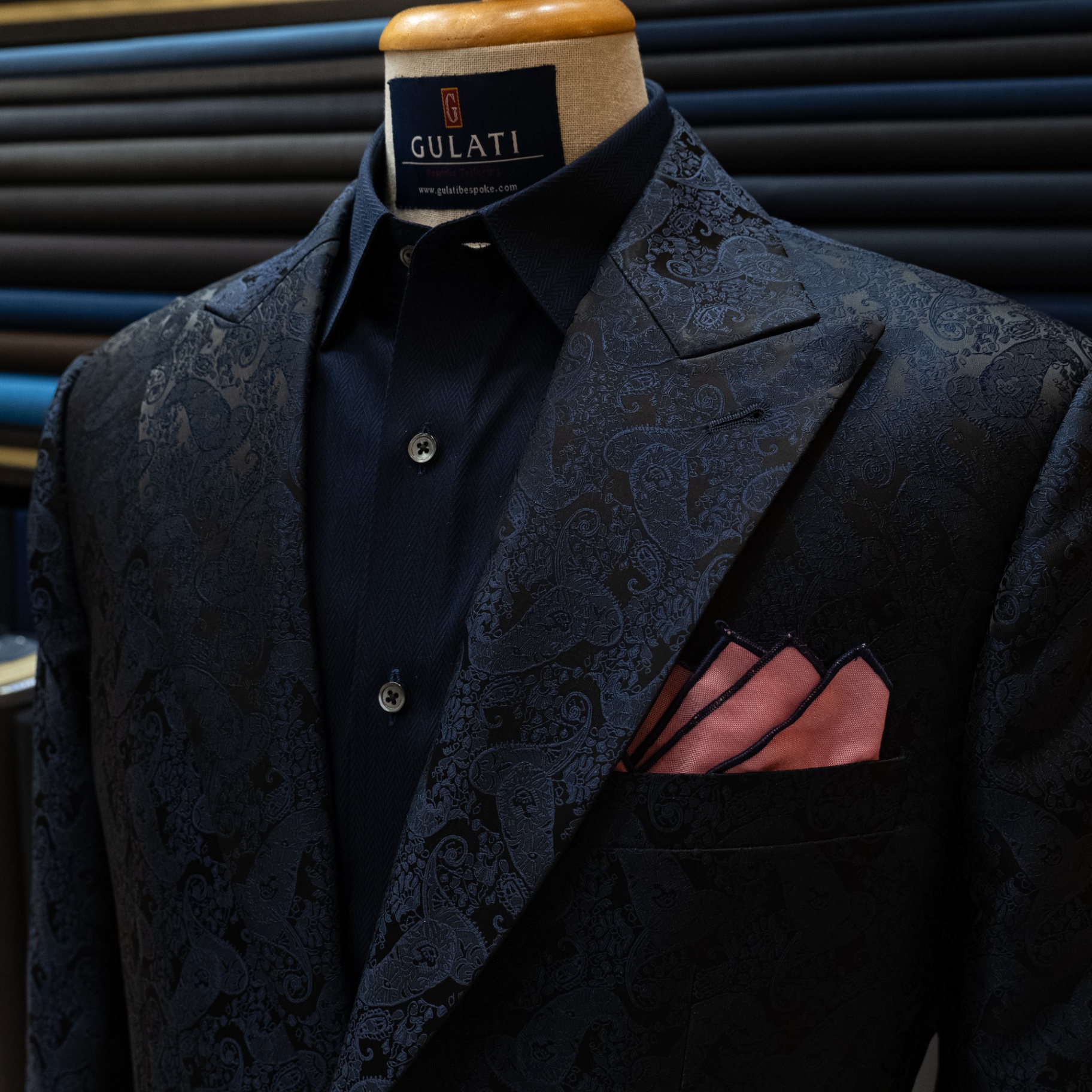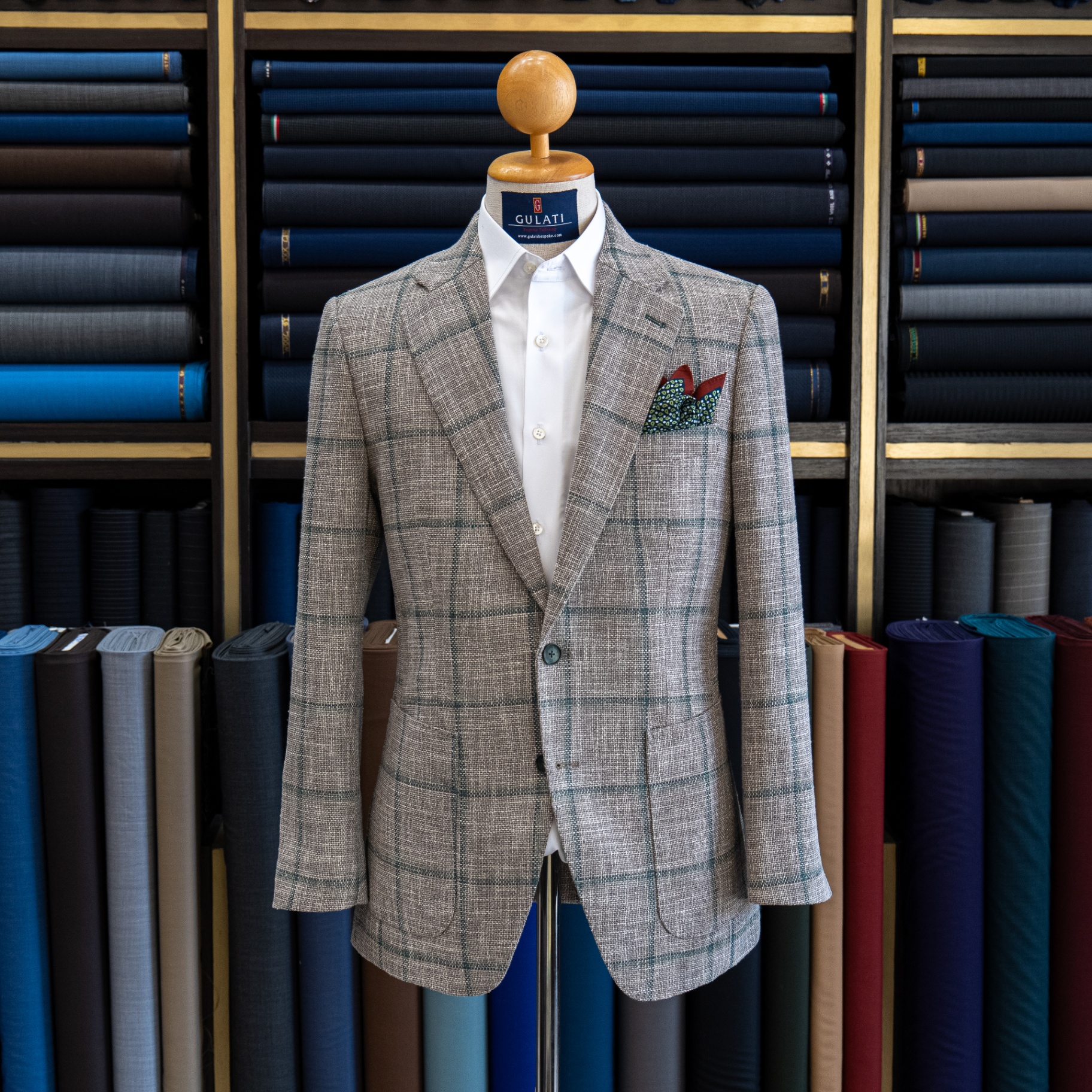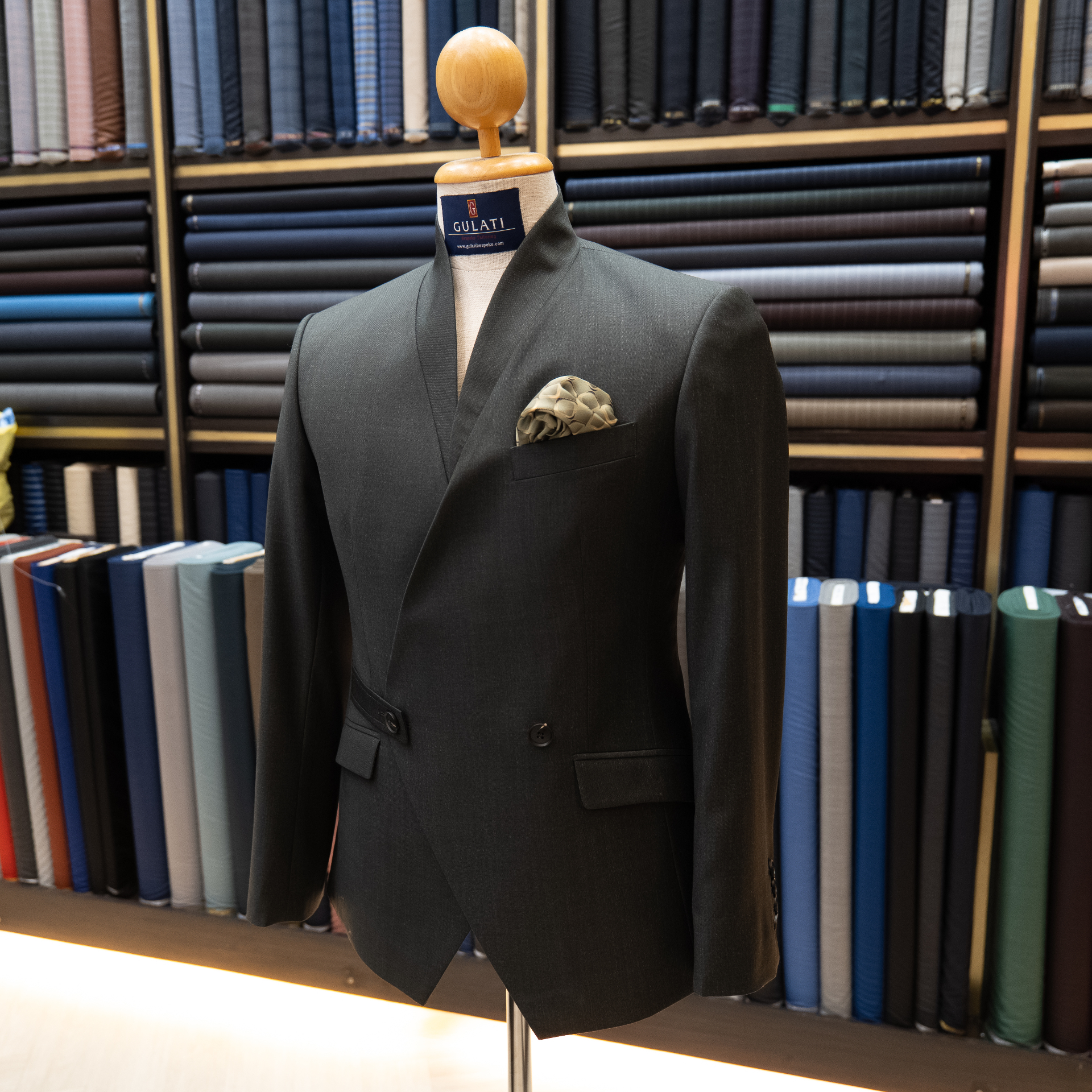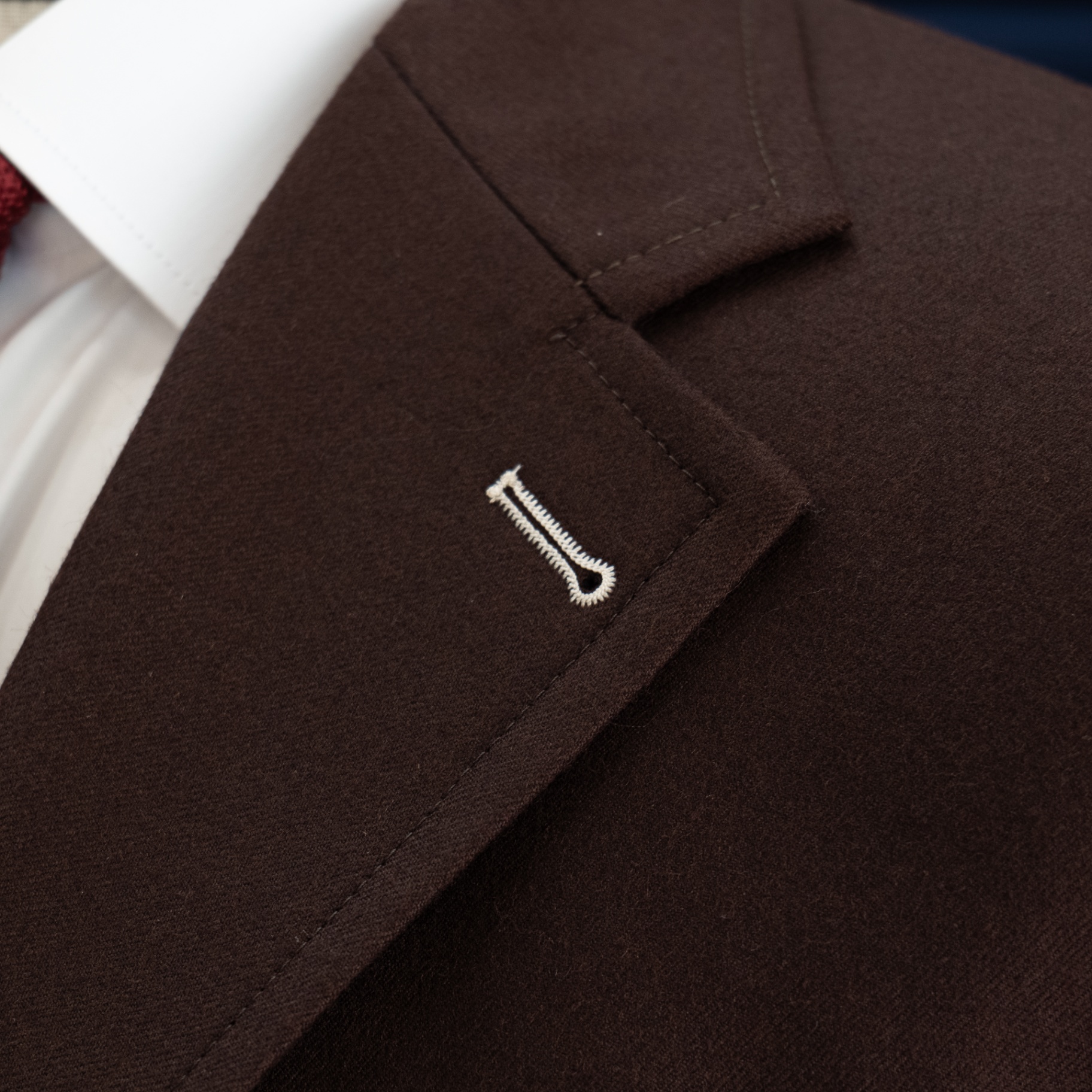
Tailor working on a jacket pattern inside the Gulati workroom in Bangkok

An honest guide

How to Spot a Real Bespoke Tailor in Bangkok

Bangkok has more tailors than any visitor can reasonably assess in a week, and the loudest promises usually belong to the shops with the least workroom behind them. This guide sets out what genuine bespoke actually involves, so you can judge any house in the city on evidence rather than on the sales pitch outside the door.

The workroom, where the answer usually is

Short answer
Genuine bespoke needs a personal pattern, two to three fittings and a week or more of workroom time
Warning sign
A finished suit promised overnight, with one measuring session and no fitting
Ask to see
The workroom, the canvas, the cloth books and past commissions

The details

Considered guidance, from the first conversation to the final fit.

01

What bespoke actually means

Bespoke means a pattern drafted for one person and cut from that pattern, then corrected over fittings as the cloth tells the cutter what the tape measure could not. Made-to-measure adapts an existing block, which can be an honest and useful service when it is described accurately. The problem in Bangkok is rarely made-to-measure itself; it is made-to-measure sold at bespoke prices under a bespoke name.

  • A personal paper pattern, kept and reused for later commissions
  • Cloth cut individually rather than pulled from graded sizes
  • Corrections made on your body, not on a size chart
  • The same house doing the fitting and the sewing
02

Why the 24-hour suit cannot be bespoke

A jacket contains a chest canvas, shoulder construction, sleeve setting and collar work that a skilled tailor cannot compress into a single night without removing most of it. Overnight suits are almost always fused, cut from a standard block and finished by machine. They look reasonable in the shop mirror and lose their shape within a season, because there is nothing structural inside holding the chest.

03

Fittings are the honest test

Ask how many fittings are included before you ask about price. A proper commission uses a basted or intermediate fitting where the garment is deliberately unfinished, so the balance, shoulder line and sleeve pitch can still be changed. If a tailor offers only a final try-on, they are not planning to correct anything structural.

  • Measurement and cloth selection at the first appointment
  • An intermediate fitting with the garment partly assembled
  • A final fitting for small refinements before delivery
  • Time set aside between fittings for workroom hours
04

Canvas, fusing and what sits inside the chest

A full-canvassed jacket has a layer of horsehair and wool floating between cloth and lining, which moulds to your chest over time. A fused jacket has that structure glued in. Pinch the front of a jacket between two fingers just below the buttonhole: if you can feel a third loose layer moving independently, there is canvas in there. It is the single fastest check available to a visitor.

05

Cloth provenance you can verify

Recognised mills print their name, reference number and composition on the selvedge and inside the bunch. Vitale Barberis Canonico, Dormeuil, Scabal, Holland and Sherry and Loro Piana all keep numbered books that a tailor can show you and order from. If a shop cannot name the mill or produce the book, the cloth is anonymous, and its behaviour in heat and after cleaning is unknowable.

  • Named mill, bunch and reference number on record
  • Composition and weight stated in grams
  • The same reference written on your order
  • Cloth ordered in, not pulled from an unmarked shelf
06

Questions worth asking before you commit

Ask where the garments are made, how many fittings are included, which mill the cloth comes from, what happens if the fit is wrong after delivery, and whether your pattern is kept for future orders. A house that works honestly will answer all five without hesitation, and will tell you plainly when your timeline does not allow the work you are asking for.

From the gallery

Chest canvas and jacket construction visible during assembly
01Canvas, not glue
Tailor marking a garment during an intermediate fitting
02The fitting that matters
Cloth books from named European mills open on the table
03Named mills, numbered bunches
Finished bespoke jacket hanging at the Gulati atelier
04The result, a season later

Continue with Gulati

Judge any tailor in Bangkok by the workroom, not the window.

Visit the atelier, ask the difficult questions, and see the construction before you commit to a commission.